
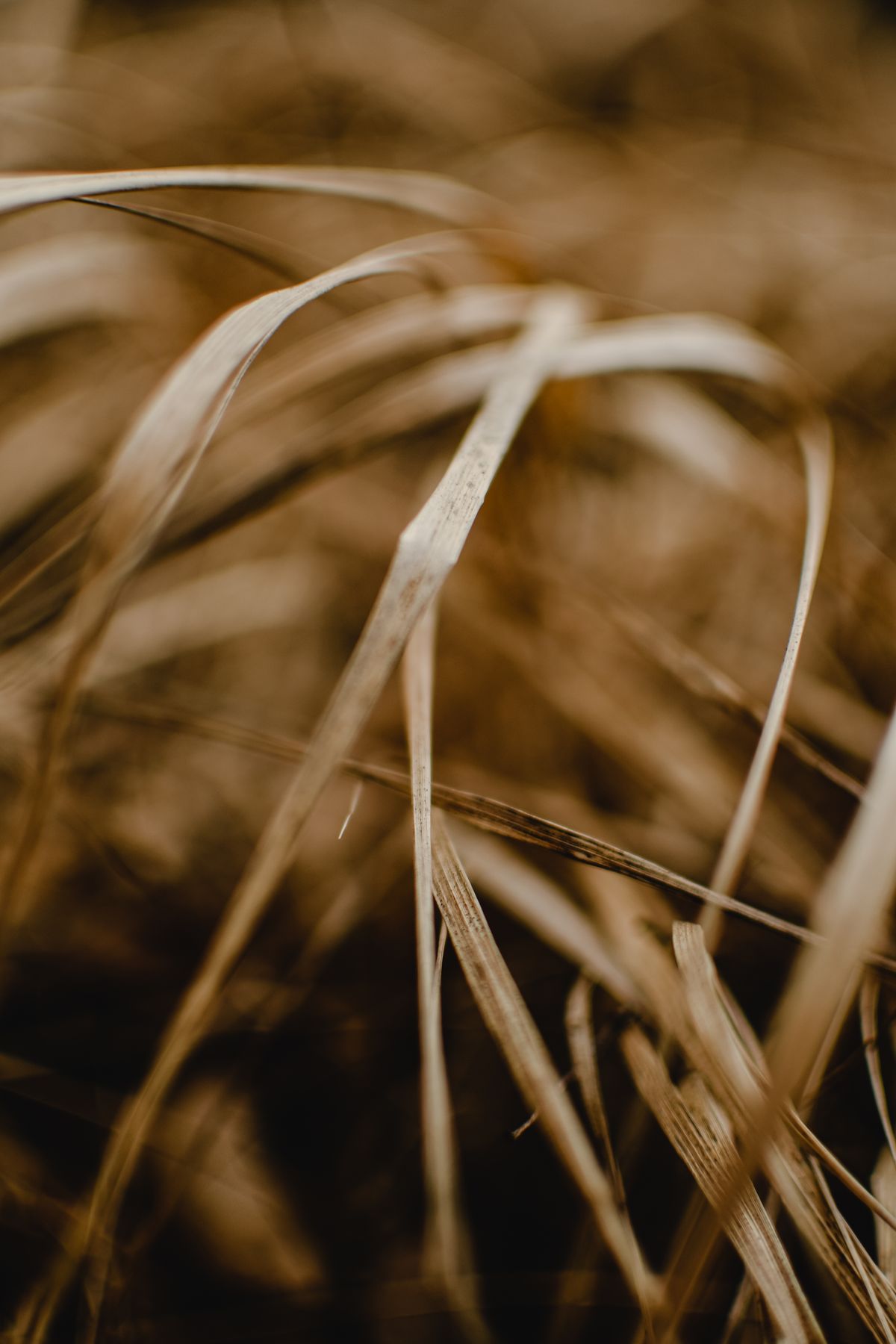
If you’ve noticed your grass blades rolling or curling inward, especially during peak summer afternoons, the first thing to know is that this is usually the grass doing exactly what it’s supposed to do — not a sign something is wrong.
Heat/Drought Stress Curling (Most Common)
Grass blades curl or roll lengthwise as a defense mechanism — it reduces the surface area exposed to sun and wind, which cuts down on water loss through the leaf. It’s the plant’s built-in way of conserving moisture during heat stress, similar to how some tree leaves curl in extreme heat.
How to tell: Curling shows up during the hottest part of the day, especially afternoons in July and August, and the grass often looks normal again by morning after the temperature drops and any overnight dew settles. The color usually still looks fine — this is a physical response, not a color change.
Which grass shows this most: We see this most often in Zoysia in Houston conditions — it’s a naturally lower-water-use grass, but its finer blade texture makes curling more visually obvious than it is on a thicker-bladed grass like St. Augustine.
What to do: If it’s uncurled by the next morning, nothing — this is normal and doesn’t need extra water. If it’s still curled in the morning before the day heats up again, that’s a sign the lawn is genuinely underwatered and needs a deeper watering session.
When Curling Means You Should Worry
Curling on its own during a 95°F afternoon is not a red flag. It becomes worth investigating further when it’s combined with other symptoms:
- Curling that doesn’t uncurl overnight, even in cooler weather — points to a watering deficit rather than a normal daily stress cycle.
- Curling plus color change (bluish-gray tint, or yellowing) — this combination points more toward drought stress serious enough to start damaging the plant, not just a temporary defense response. See our yellowing guide if color is changing too.
- Curling plus visible lesions or spots on the blade — this points toward disease rather than heat stress; see our gray leaf spot guide.
What to Do If It’s Genuine Drought Stress
- Water deeply, not just more often. A single deep watering (to about 1 inch) does more good than several shallow ones and encourages deeper root growth that handles heat better long-term.
- Check your watering schedule against grass type. Zoysia needs less water than St. Augustine but more than nothing — see the watering section of our lawn care guide for exact schedules by variety.
- Raise your mowing height during peak summer heat if you’re not already at the top of your grass’s range — taller grass shades its own root zone and retains moisture better. See our mowing height guide.
- Consider a more drought-tolerant variety for chronically stressed areas — see our best drought-tolerant grass guide.
Just Call Us
If curling is persistent, combined with color changes, or you’re just not sure whether it’s normal heat response or something more serious, call us at (281) 259-6375 and describe what you’re seeing. If your current grass is consistently struggling with Houston summer heat, get a free quote — switching to TifTuf Bermuda or Zeon Zoysia is a common upgrade for chronically stressed, high-heat yards.